FAQs about Psychedelics
Psychedelic Products in Canada
Psychedelic Products in Canada
Psychedelic Products in Canada
Psychedelic Products in Canada
Dissociative Products in Canada
Psychedelic Products in Canada
Psychedelic Products in Canada

Psychedelic Products in Canada
Psychedelic Products in Canada
Dissociative Products in Canada
Psychedelic Products in Canada
Opioid Medication in Canada
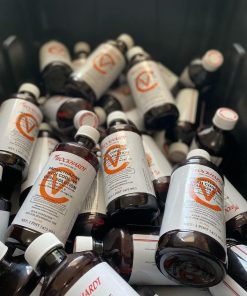
Opioid Medication in Canada
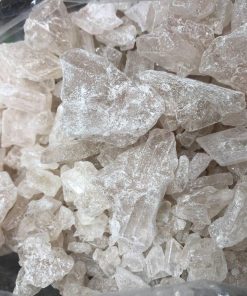
Psychedelic Products in Canada
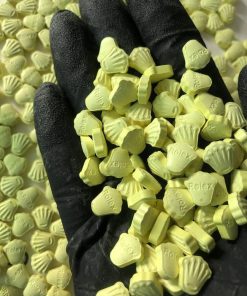
Psychedelic Products in Canada
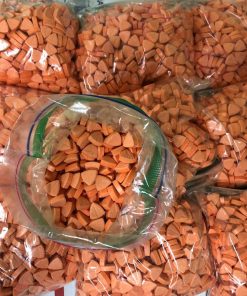
Psychedelic Products in Canada
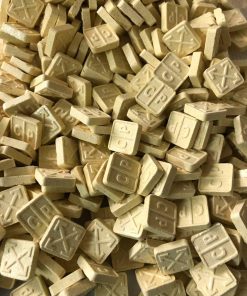
Psychedelic Products in Canada
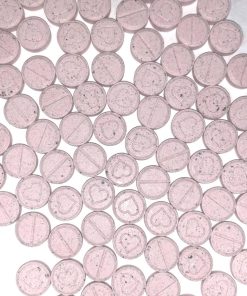
Psychedelic Products in Canada
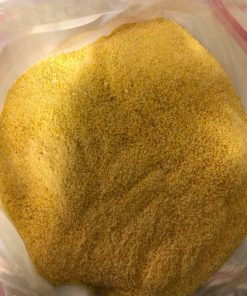
Psychedelic Products in Canada
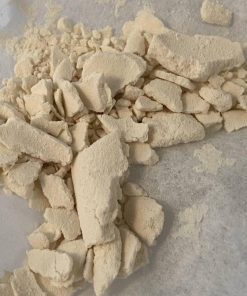
Psychedelic Products in Canada
Psychedelic Products in Canada
Psychedelic Products in Canada
Psychedelic Products in Canada
Psychedelic Products in Canada

Psychedelic Products in Canada
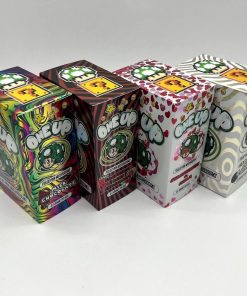
Psychedelic Products in Canada
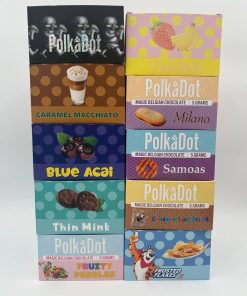
Psychedelic Products in Canada
Dissociative Products in Canada
Dissociative Products in Canada
Opioid Medication in Canada
Opioid Medication in Canada
Opioid Medication in Canada
Opioid Medication in Canada
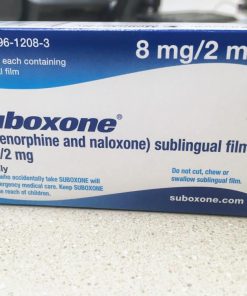
Opioid Medication in Canada
Opioid Medication in Canada
Opioid Medication in Canada
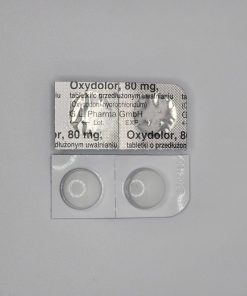
Opioid Medication in Canada
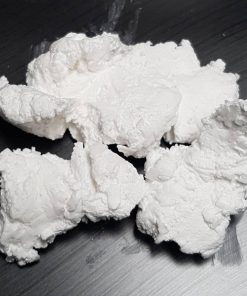
Stimulants Collection Canada
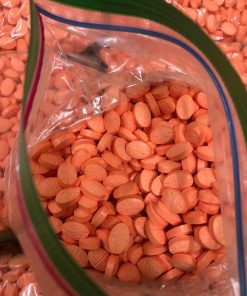
Stimulants Collection Canada
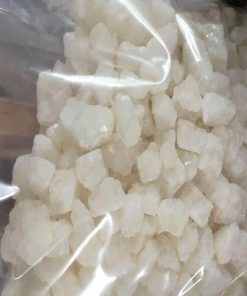
Dissociative Products in Canada
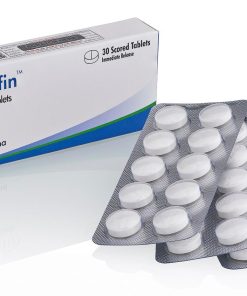
Stimulants Collection Canada
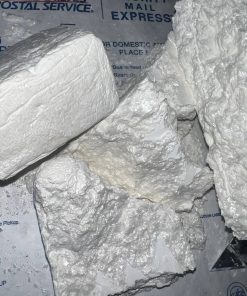
Stimulants Collection Canada
Frequently Asked Questions (FAQs)
1. What are mushrooms?
Mushrooms are fungi that grow naturally in a variety of environments around the world. They have been used for culinary, cultural, and scientific purposes for centuries and come in thousands of different species.
2. What are magic mushrooms?
Magic mushrooms are fungi that contain naturally occurring psychoactive compounds, most notably psilocybin and psilocin. These compounds have been the subject of scientific and cultural interest for many years.
3. What is psilocybin?
Psilocybin is a naturally occurring compound found in certain mushroom species. It is widely studied in neuroscience and psychology for its effects on perception and cognition.
4. What is the difference between psilocybin and psilocin?
Psilocybin is converted by the body into psilocin, which is the compound primarily responsible for interacting with serotonin receptors in the brain.
5. Are all mushrooms psychoactive?
No. Most mushrooms are not psychoactive. Many species are used for food, wellness products, and scientific research without containing psychoactive compounds.
6. What are functional mushrooms?
Functional mushrooms are mushrooms commonly used in wellness and nutrition products. Popular varieties include Lion’s Mane, Reishi, Chaga, Cordyceps, and Turkey Tail.
7. What are mushroom capsules?
Mushroom capsules contain mushroom-based ingredients in a convenient, pre-measured form. They are popular due to their portability and ease of use.
8. What are mushroom chocolate bars?
Mushroom chocolate bars are specialty chocolate products that combine chocolate with mushroom-derived ingredients to create unique confectionery products.
9. How should mushroom products be stored?
Most mushroom products should be stored in a cool, dry location away from moisture, heat, and direct sunlight to help preserve quality.
10. Why are mushrooms popular?
Mushrooms have gained popularity because of their long history, diverse varieties, unique characteristics, and growing scientific interest.
11. What are psychedelics?
Psychedelics are substances known for their ability to alter perception, sensory processing, mood, and consciousness.
12. What is LSD?
LSD (Lysergic Acid Diethylamide) is a well-known psychedelic compound first synthesized in the twentieth century and widely studied in neuroscience.
13. What is DMT?
DMT (N,N-Dimethyltryptamine) is a naturally occurring psychedelic compound found in certain plants and studied for its effects on perception and consciousness.
14. What is MDMA?
MDMA is a synthetic psychoactive compound that affects neurotransmitters associated with mood, emotion, and cognition.
15. What is ketamine?
Ketamine is a synthetic compound originally developed as an anesthetic and continues to be studied in medical and scientific settings.
16. Why are psychedelics studied?
Researchers study psychedelics to better understand consciousness, brain function, perception, and various psychological processes.
17. What is psychedelic research?
Psychedelic research refers to scientific studies examining how psychedelic compounds affect the brain, behavior, and cognition.
18. What is microdosing?
Microdosing generally refers to the practice of using very small amounts of certain substances. It has become a topic of growing scientific and public interest.
19. Why is psychedelic history important?
Understanding the history of psychedelics helps explain their cultural significance, scientific development, and evolving role in society.
20. What are serotonin receptors?
Serotonin receptors are proteins in the brain and body that interact with serotonin and play a role in mood, cognition, and perception.
21. What is a psychedelic experience?
A psychedelic experience typically refers to changes in perception, thought patterns, and sensory awareness associated with psychedelic compounds.
22. Why are psychedelics discussed in neuroscience?
Neuroscientists study psychedelics because they provide insight into how the brain processes information and consciousness.
23. What are over-the-counter products?
Over-the-counter (OTC) products are items that can be purchased without a prescription from a licensed healthcare provider.
24. What types of OTC products exist?
OTC products may include vitamins, supplements, skincare items, allergy products, digestive aids, and wellness products.
25. Why are OTC products popular?
OTC products are widely used because they are easily accessible and available through retail and online channels.
26. How are OTC products regulated?
Regulatory requirements vary by country and are designed to help ensure product quality, labeling accuracy, and consumer safety.
27. Can OTC products be purchased online?
Many OTC products are available through online retailers, depending on local regulations and product categories.
28. Why should customers read product labels?
Product labels contain important information regarding ingredients, usage instructions, storage recommendations, and warnings.
29. What is product quality control?
Quality control refers to procedures used to verify consistency, safety, and compliance throughout manufacturing and distribution.
30. Why is third-party testing important?
Third-party testing provides independent verification of product quality, composition, and manufacturing standards.
31. What is product sourcing?
Product sourcing refers to the process of selecting suppliers and manufacturers that meet established quality standards.
32. How important is product transparency?
Transparency helps customers make informed purchasing decisions by providing clear and accurate product information.
33. What are specialty products?
Specialty products are unique items designed for specific markets, interests, or consumer preferences.
34. Why do customers choose specialty retailers?
Specialty retailers often focus on curated product selections, customer service, and educational resources.
35. What is responsible purchasing?
Responsible purchasing involves researching products, understanding local regulations, and making informed decisions.
36. Why should customers verify local laws?
Laws and regulations vary by location, making it important for customers to understand applicable requirements before purchasing.
37. What is product packaging?
Product packaging protects products during transportation while providing important product information.
38. Why is discreet packaging important?
Discreet packaging helps protect customer privacy and improve the delivery experience.
39. What should customers do if they have questions?
Customers should contact customer support for assistance regarding products, orders, policies, and general inquiries.
40. What is customer feedback?
Customer feedback consists of reviews, comments, and experiences that help businesses improve products and services.
41. Why are reviews important?
Reviews provide valuable insight into customer experiences and help other shoppers make informed decisions.
42. What is a trusted supplier?
A trusted supplier is a manufacturer or distributor with a reputation for quality, reliability, and consistency.
43. What is the difference between natural and synthetic compounds?
Natural compounds originate from naturally occurring sources, while synthetic compounds are produced through chemical processes.
44. Why is scientific research important?
Scientific research helps expand knowledge, improve understanding, and support evidence-based decision-making.
45. What is consumer education?
Consumer education provides information that helps individuals better understand products, industries, and related topics.
46. How can customers stay informed?
Customers can stay informed through educational articles, scientific publications, company blogs, and reputable information sources.
47. Why do product categories matter?
Categories help customers browse products more efficiently and find items relevant to their interests.
48. What makes a quality online retailer?
Quality retailers prioritize transparency, customer service, secure ordering, and reliable product sourcing.
49. Why is customer satisfaction important?
Customer satisfaction helps businesses build trust, improve services, and establish long-term relationships with customers.
50. Where can I learn more?
Customers can explore our blog, educational resources, product pages, and customer support channels for additional information.
back to shop