Education
Psychedelics In Ottawa
Jun
Psychedelics in Ottawa: The Complete Guide to Psychedelic Medicine, Therapy, and Culture in 2026
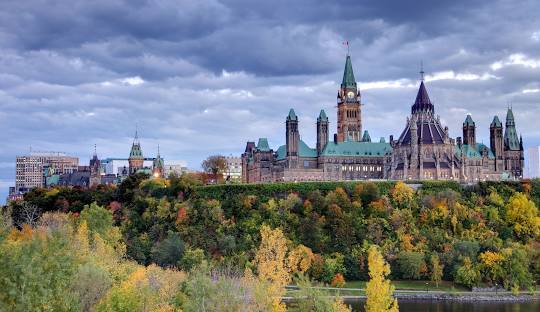
Ottawa occupies a uniquely significant position in Canada’s psychedelic conversation — not just as a major city with a growing therapeutic community, but as the seat of the federal government that ultimately controls how psychedelics are regulated, accessed, and researched across the entire country. Decisions made in Ottawa — at Health Canada, in Parliament, and within the federal public service — shape the psychedelic landscape for every Canadian. At the same time, Ottawa residents themselves are increasingly seeking psychedelic therapy options, harm reduction resources, and accurate information about a rapidly evolving field. This guide covers everything Ottawa residents need to know about psychedelics in 2026 — from the science and legal landscape to therapy options, community resources, and what the future holds.
What Are Psychedelics?
Psychedelics are a class of psychoactive substances that produce profound alterations in perception, consciousness, emotion, and cognition by interacting with serotonin receptors in the brain — particularly the 5-HT2A receptor. Unlike conventional psychiatric medications that require daily use over extended periods, psychedelics often produce significant and lasting therapeutic benefits from just one or two carefully guided sessions.
The major psychedelics shaping Ottawa’s therapeutic and cultural landscape include:
Psilocybin (Magic Mushrooms) The naturally occurring psychoactive compound found in over 200 species of fungi worldwide. When consumed, psilocybin converts to psilocin in the body, producing experiences ranging from mild perceptual enhancement to profound ego dissolution depending on dose. Currently the most extensively researched psychedelic in clinical settings, psilocybin is at the center of Ottawa’s growing psychedelic therapy conversation.
Ketamine The only psychedelic-adjacent substance with full legal therapeutic status in Canada, ketamine is a dissociative anesthetic that produces rapid, robust antidepressant effects. Licensed ketamine clinics operate in Ottawa, making it the most immediately accessible psychedelic therapy option for residents today.
MDMA An empathogenic compound producing profound emotional openness and interpersonal connection. MDMA-assisted therapy for PTSD has shown extraordinary results in Phase 3 clinical trials — a particularly significant finding for Ottawa’s large population of federal employees, military veterans, first responders, and public safety workers who face elevated rates of occupational trauma and PTSD.
LSD (Lysergic Acid Diethylamide) A synthetic psychedelic producing long-lasting (8–12 hour) experiences. LSD was extensively studied for therapeutic applications in the 1950s and 60s and is now the subject of renewed clinical interest, with new trials underway globally.
DMT and Ayahuasca DMT is a powerful short-acting psychedelic found in many plants and produced endogenously in the human body. Ayahuasca — a traditional Amazonian plant medicine combining DMT-containing plants with an MAOI — has a rich ceremonial history and is increasingly studied for therapeutic applications in depression, addiction, and trauma.
Mescaline A naturally occurring psychedelic found in peyote and San Pedro cacti, used ceremonially by Indigenous peoples of the Americas for thousands of years and currently being studied for therapeutic potential.
Ottawa’s Unique Position in Canada’s Psychedelic Landscape
No other Canadian city sits at the intersection of psychedelic policy, research, and advocacy quite like Ottawa. As Canada’s capital and the home of Health Canada — the federal department responsible for regulating all controlled substances — Ottawa is literally where the rules governing psychedelic access are written and enforced.
Health Canada and Federal Policy
Health Canada’s offices in Ottawa are where decisions about Section 56 exemptions, Special Access Program applications, and clinical trial approvals are made. The scientists, policy analysts, and regulators who shape Canada’s psychedelic future work in this city. This proximity to federal decision-making has made Ottawa an important hub for psychedelic policy advocacy, with organizations and individuals able to engage directly with the policymakers who control access.
Federal Employees and Occupational Trauma
Ottawa’s large population of federal public servants, military personnel (through the Department of National Defence), veterans (through Veterans Affairs Canada), RCMP officers, and parliamentary staff creates a significant population of individuals who experience occupational stress, trauma, and burnout at elevated rates. For many of these individuals — particularly veterans and first responders — conventional psychiatric treatment has failed to adequately address PTSD and depression, creating urgent demand for alternative therapeutic approaches including psychedelic-assisted therapy.
Parliamentary Advocacy
Ottawa’s role as the seat of Parliament means that advocacy efforts around psychedelic policy reform have a direct line to the legislators who can change the law. Several Members of Parliament have publicly expressed support for expanded access to psychedelic therapy, particularly for veterans — making Ottawa a critical battleground in the push for policy reform.
The Science of Psychedelics: Current Research
The resurgence of psychedelic research is producing some of the most compelling findings in modern psychiatry. Here is what the evidence currently shows:
How Psychedelics Work in the Brain
Psychedelics primarily act on the brain’s serotonin system, binding to and activating 5-HT2A receptors concentrated in the prefrontal cortex — governing higher-order thinking, emotional regulation, and self-reflection.
Default Mode Network (DMN) Disruption The DMN is the brain network associated with self-referential thinking, rumination, and the maintenance of our sense of self. Psychedelics dramatically suppress DMN activity, loosening rigid, negative self-narratives and producing the ego dissolution experience that many users describe. Researchers believe this mechanism underlies many of the therapeutic benefits of psychedelic-assisted therapy.
Neuroplasticity Psychedelics promote neurogenesis and synaptogenesis — the growth of new neurons and neural connections — allowing the brain to break out of entrenched patterns associated with depression, anxiety, PTSD, and addiction. This enhanced plasticity may explain why psychedelic therapy can produce lasting benefits from a small number of sessions.
Emotional Processing Psychedelics appear to facilitate the processing of difficult memories and emotions, reducing their psychological charge without suppressing them — a mechanism particularly relevant to trauma treatment.
Key Research Findings
Treatment-Resistant Depression A landmark 2021 New England Journal of Medicine study found psilocybin therapy comparable in efficacy to leading antidepressants — producing rapid improvements within days and requiring only one or two sessions rather than indefinite daily medication.
PTSD and MDMA Therapy Phase 3 clinical trials of MDMA-assisted therapy for PTSD reported remission rates of 67–71% — extraordinary results for a condition notoriously resistant to conventional treatment. Given Ottawa’s large population of veterans and first responders, this finding has particular relevance for the capital.
End-of-Life Anxiety Studies at Johns Hopkins and NYU found that a single psilocybin session produced substantial, lasting reductions in anxiety and depression in terminally ill patients, with benefits persisting for up to five years in follow-up assessments.
Addiction Research suggests psychedelics may be highly effective at disrupting addictive patterns. A Johns Hopkins study reported a 67% smoking abstinence rate at 12-month follow-up following psilocybin-assisted therapy, with separate research showing promising results for alcohol use disorder and opioid dependence.
First Responder and Veteran Mental Health Emerging research specifically targeting law enforcement officers, firefighters, paramedics, and military veterans is demonstrating that psychedelic-assisted therapy may be particularly effective for occupational trauma — a finding with direct relevance to Ottawa’s population.
Legal Status of Psychedelics in Ottawa
Ottawa falls under both Ontario provincial law and Canadian federal law. The legal status of psychedelics is governed primarily at the federal level by the Controlled Drugs and Substances Act (CDSA).
Current Legal Status in Ottawa (2026):
| Substance | Legal Status |
|---|---|
| Psilocybin (mushrooms) | Illegal — Schedule III CDSA |
| LSD | Illegal — Schedule III CDSA |
| DMT / Ayahuasca | Illegal — Schedule III CDSA |
| Mescaline | Illegal — Schedule III CDSA |
| MDMA | Illegal — Schedule I CDSA (except approved trials) |
| Ketamine | Legal — licensed medical use only |
| Cannabis | Legal — Cannabis Act |
Legal Pathways for Therapeutic Access in Ottawa
Special Access Program (SAP) Since January 2022, Health Canada’s Special Access Program has included psilocybin and MDMA, allowing Ottawa physicians to apply on behalf of patients with serious or life-threatening conditions who have not responded to conventional treatments. This is currently the most accessible legal route to psilocybin therapy for Ottawa residents.
Section 56 Exemptions Health Canada can grant individual exemptions under Section 56 of the CDSA, allowing specific patients or practitioners to legally access controlled substances for medical or scientific purposes. Ottawa therapists and patients can apply directly through Health Canada — an advantage unique to being in the capital, where federal offices are nearby and accessible.
Approved Clinical Trials Several Canadian clinical trials investigating psychedelic-assisted therapy are underway and recruiting participants, with some accepting applicants from Ottawa and the broader Ontario region.
Psychedelic Therapy in Ottawa: What Is Available
Ketamine Therapy (Fully Legal)
Ketamine infusion therapy is the most immediately accessible legal psychedelic-adjacent treatment in Ottawa. Licensed clinics offer ketamine therapy under medical supervision for:
- Treatment-resistant depression
- Anxiety disorders
- PTSD and complex trauma
- Suicidal ideation
- Chronic pain conditions
Standard ketamine protocols in Ottawa involve a series of intravenous infusions over 2–3 weeks, typically 6 sessions, at a cost of $400–$900 per session. Some private insurance plans provide partial coverage — check with your provider.
Psilocybin-Assisted Therapy (Limited Legal Access)
A growing number of Ottawa-based therapists trained in psychedelic-assisted therapy are pursuing Health Canada Section 56 exemptions to offer psilocybin sessions to eligible patients. Legal psilocybin access in Ottawa is currently available through:
- Health Canada Special Access Program (physician application required)
- Section 56 exemption holders
- Approved clinical trial participation
Ottawa’s proximity to Health Canada offices may facilitate more direct communication between therapists and regulators, potentially streamlining the exemption process compared to other cities.
MDMA-Assisted Therapy (Clinical Trial Access)
Given the concentration of veterans, RCMP officers, and federal public safety workers in Ottawa, MDMA-assisted therapy for PTSD is of particular relevance. While MDMA therapy is not yet formally approved in Canada, Ottawa residents may be able to access it through approved clinical trials. Contact your physician or search the Health Canada clinical trials registry for current opportunities.
Psychedelic Integration Therapy
Many Ottawa therapists now offer psychedelic integration therapy — fully legal counseling designed to help individuals process and make meaning of psychedelic experiences. Integration therapy is an essential component of safe and effective psychedelic use and is widely available through licensed therapists in Ottawa.
Holotropic Breathwork
Several Ottawa wellness centers offer holotropic breathwork — a powerful, fully legal, non-pharmacological technique developed by psychiatrist Stanislav Grof that produces psychedelic-like states through controlled breathing. Used as both a standalone practice and a complement to psychedelic therapy.
Veterans and First Responders: Ottawa’s Most Urgent Need
Ottawa is home to a disproportionately large population of individuals who have served in high-stress, trauma-exposing roles — federal public servants managing national crises, RCMP officers, military veterans attached to DND headquarters, firefighters, paramedics, and parliamentary security staff. For many of these individuals, conventional psychiatric treatment — antidepressants, CBT, exposure therapy — has not adequately addressed the burden of occupational trauma and PTSD.
The emerging evidence for psychedelic-assisted therapy, particularly MDMA therapy for PTSD, offers genuine hope for this population. Several Canadian organizations are specifically advocating for expanded legal access to psychedelic therapy for veterans and first responders, and Ottawa’s role as the seat of Veterans Affairs Canada and the Department of National Defence makes it a natural center for this advocacy.
Ottawa residents in these communities who are interested in exploring psychedelic therapy options are encouraged to speak with their physicians about Health Canada SAP eligibility and to monitor clinical trial registries for relevant opportunities.
Harm Reduction in Ottawa
Ottawa has an active harm reduction community offering important resources for individuals who choose to use psychedelics outside of legal therapeutic contexts.
Ottawa Harm Reduction Resources:
- Ottawa Public Health — offers drug information, harm reduction resources, and referrals to support services
- The Shepherds of Good Hope — provides harm reduction services including drug checking in certain contexts
- Ottawa Inner City Health — harm reduction-focused healthcare for vulnerable populations
- The Works (Ottawa Public Health) — needle exchange and harm reduction services
Core Harm Reduction Principles:
Set and Setting Your mindset (set) and physical and social environment (setting) are the two most powerful predictors of psychedelic experience quality and safety. Prepare intentionally and choose a comfortable, familiar, and supportive environment.
Start Low, Go Slow Psychedelics are highly dose-sensitive. Start conservatively — especially with an unfamiliar substance or source — and wait adequate time to assess effects before considering more.
Trip Sitter Having a sober, trusted, experienced person present during a psychedelic experience significantly reduces the risk of psychological distress and provides grounding and practical support if needed.
Know Your Mental Health History Individuals with a personal or family history of psychosis, schizophrenia, or bipolar disorder face elevated risk of adverse reactions to psychedelics. These individuals should avoid psychedelic use and consult a psychiatrist before considering any form of psychedelic therapy.
Drug Checking Given the prevalence of fentanyl and other dangerous adulterants in the illicit drug supply, always use drug checking services before consuming any substance from an unverified source.
Avoid Mixing Substances Combining psychedelics with alcohol, stimulants, or other serotonergic compounds significantly increases the risk of adverse reactions. MAOIs combined with certain psychedelics can be life-threatening.
Integration The experience itself is only part of the process. Taking time after a psychedelic experience to reflect, journal, and work with a therapist or integration circle significantly enhances and sustains its benefits.
Ottawa’s Psychedelic Community
Despite its reputation as a buttoned-up government town, Ottawa has a growing and increasingly visible psychedelic community.
Policy Advocacy Ottawa’s psychedelic community has a unique asset that no other Canadian city can claim: direct access to federal policymakers. Advocates in Ottawa are able to engage directly with Members of Parliament, Health Canada officials, and parliamentary committees — making the city a strategic hub for psychedelic policy reform efforts.
Veterans Advocacy Groups Several Ottawa-based veterans organizations are actively advocating for expanded legal access to MDMA and psilocybin therapy for former military personnel, citing the inadequacy of conventional PTSD treatment and the compelling evidence from psychedelic clinical trials.
Research Interest Carleton University and the University of Ottawa both have researchers with interest in consciousness, mental health, and neuroscience who are well-positioned to contribute to Canada’s expanding psychedelic research landscape.
Integration Circles and Community Events Ottawa hosts regular psychedelic integration circles, educational events, and community meetups through local chapters of national psychedelic advocacy organizations — providing a supportive, informed space for residents to engage with psychedelic topics.
The Future of Psychedelics in Ottawa
Ottawa’s role as Canada’s capital means that what happens here in psychedelic policy terms affects every Canadian. Key developments to watch:
MDMA Therapy Regulatory Approval Regulatory approval of MDMA-assisted therapy in Canada — widely anticipated — would be announced from Ottawa and would open the door to licensed MDMA therapy clinics in the capital, particularly serving veterans and first responders.
Psilocybin Therapy Framework Health Canada is expected to develop a formal regulated framework for psilocybin-assisted therapy. Ottawa therapists and clinics are well-positioned to be among the first licensed providers when this framework emerges.
Parliamentary Action on Veterans Access Growing parliamentary support for psychedelic therapy access for veterans may produce specific legislative or regulatory action — potentially making Ottawa one of the first cities with a formally structured psychedelic therapy program for this population.
Decriminalization Discussions Following Vancouver’s drug decriminalization pilot and ongoing national conversations about drug policy reform, Ottawa may see increasing municipal and provincial engagement with decriminalization of personal psychedelic use.
Indigenous Medicine Recognition Ongoing federal policy conversations around Indigenous rights and traditional plant medicine — particularly relevant given Ottawa’s role as the seat of the federal government and its relationship with Indigenous peoples — may create new legal frameworks for ceremonial psychedelic use.
Frequently Asked Questions
Are psychedelics legal in Ottawa? With the exception of ketamine in licensed medical settings, psychedelics are federally illegal in Ottawa under Canada’s Controlled Drugs and Substances Act. Legal therapeutic access is available through Health Canada’s Special Access Program and approved clinical trials.
Where can I access legal psychedelic therapy in Ottawa? Legal options include licensed ketamine clinics, Health Canada SAP-approved psilocybin therapy (physician referral required), and participation in approved clinical trials. Consult your physician or a trained psychedelic therapist to explore your eligibility.
Is there psychedelic therapy available for veterans in Ottawa? Currently, veterans in Ottawa can access ketamine therapy through licensed clinics and may be eligible for psilocybin therapy through the Health Canada SAP. MDMA therapy for PTSD is available through approved clinical trials. Veterans are encouraged to speak with their VAC case manager and physician about available options.
Is microdosing legal in Ottawa? No. Microdosing psilocybin is illegal in Ottawa and across Canada regardless of dose size, as psilocybin is a Schedule III controlled substance under the CDSA.
How much does ketamine therapy cost in Ottawa? Ketamine infusion therapy in Ottawa typically costs between $400–$900 per session, with standard protocols involving 6 sessions. Some private health insurance plans may provide partial coverage.
Can proximity to Health Canada offices help Ottawa residents access psychedelic therapy? Potentially. Ottawa-based therapists and patients applying for Section 56 exemptions or SAP access may benefit from proximity to Health Canada offices for follow-up and advocacy purposes, though the application process itself is the same regardless of location.
What integration therapy resources are available in Ottawa? Many Ottawa therapists now offer psychedelic integration counseling. Search the directories of the Canadian Psychedelic Association or the Multidisciplinary Association for Psychedelic Studies (MAPS) Canada for trained integration therapists in Ottawa.
Quick Links
- Buy Magic Mushrooms Online Canada
- Premium Magic Mushrooms Delivery
- Dried Magic Mushrooms Delivery
- Functional Mushroom Products
- Mushroom Delivery Locations
- Magic Mushrooms Ontario
- Magic Mushrooms British Columbia
- Magic Mushrooms Alberta
- FAQ Page
- Psychedelics Blog
- Mushroom Strains Guide
Important Disclaimer
This article is intended for educational and informational purposes only. It does not promote the illegal use, purchase, or distribution of any controlled substance. With the exception of ketamine in licensed medical settings, psychedelics are illegal in Ottawa and across Canada under the Controlled Drugs and Substances Act. Nothing in this article constitutes legal, medical, or therapeutic advice. Always consult a qualified healthcare provider and comply with the laws of your jurisdiction.
